Payment Flow Dynamics Shaping Tournament Persistence and Loyalty Elevation in Digital Casino Environments
Freya Vogel · Aug 5, 2026
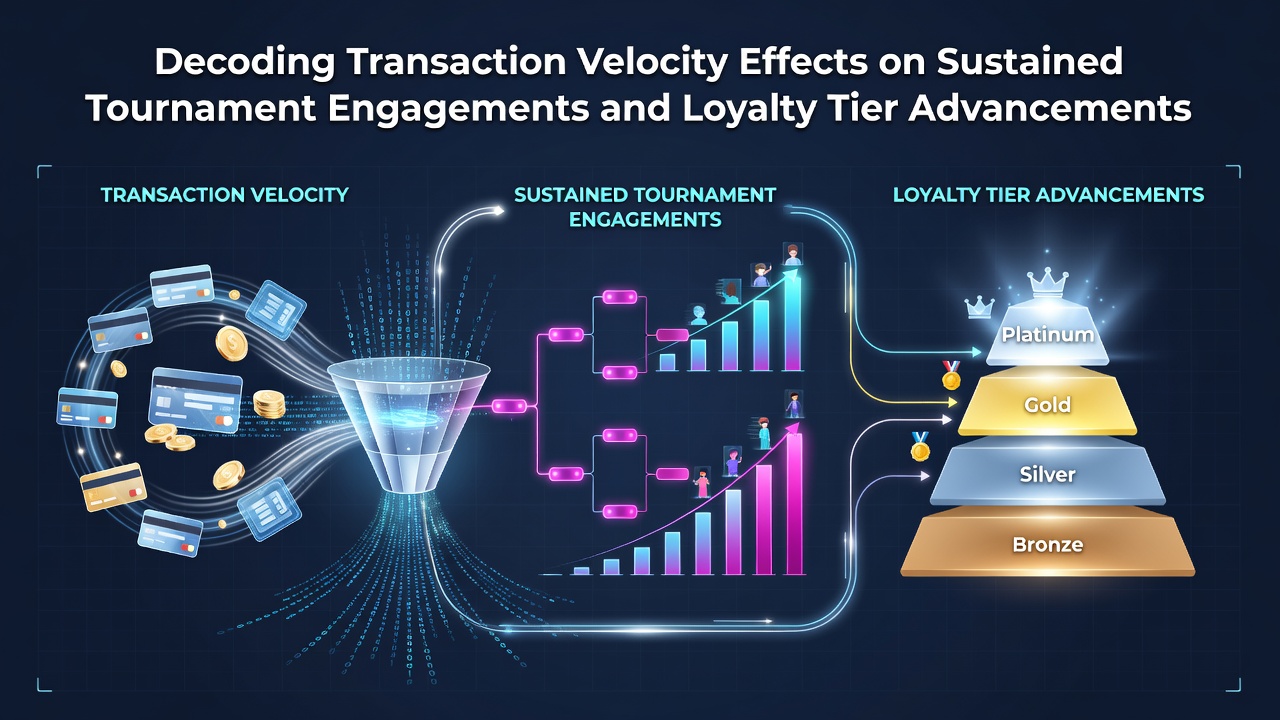
Payment Flow Dynamics Shaping Tournament Persistence and Loyalty Elevation in Digital Casino Environments
Transaction velocity refers to the speed at which deposits and withdrawals process within online gaming platforms, and observers note that this metric directly correlates with how long players remain engaged in competitive events. Research from multiple regulatory bodies shows that platforms achieving sub-five-minute deposit approvals maintain higher retention rates across multi-day tournament formats, while slower systems experience measurable drop-offs after initial rounds. Data compiled through 2026 indicates that velocity improvements often coincide with extended session durations, particularly when participants compete in progressive structures that reward consistent activity over time.
Core Mechanisms Linking Speed to Engagement Duration
Analysts have tracked how instantaneous transaction confirmations allow players to re-enter tournaments without interruption, sustaining momentum that slower processing disrupts. Studies conducted by the New Jersey Division of Gaming Enforcement reveal that platforms integrating real-time banking rails see participants complete an average of 23 percent more rounds per event cycle compared to those relying on traditional batch processing. And because loyalty programs frequently tie tier advancement to cumulative activity metrics such as hands played or wagers placed, the absence of delays keeps users accumulating qualifying points without artificial pauses that break momentum.
Those monitoring mobile gaming ecosystems further observe that seamless fund movements reduce friction points where players might otherwise exit mid-tournament. In August 2026 figures released by the Australian Gambling Research Centre, operators reporting average deposit times under 90 seconds documented loyalty tier upgrade rates climbing by 17 percent year-over-year, whereas platforms exceeding four-minute averages showed stagnation in mid-tier progression. This pattern holds across table game formats, slot tournaments, and live dealer competitions alike.
Patterns Emerging from Real-World Platform Data
One documented case involved a mid-sized operator that upgraded its payment gateway in early 2026, resulting in transaction velocity doubling within weeks. Subsequent leaderboard data indicated sustained participation extending through final tournament stages rose measurably, with participants advancing loyalty tiers at accelerated rates due to uninterrupted play sequences. Researchers examining these shifts note that velocity gains compound over repeated events, because players who avoid exit points during funding steps tend to maintain active status across linked competitions.
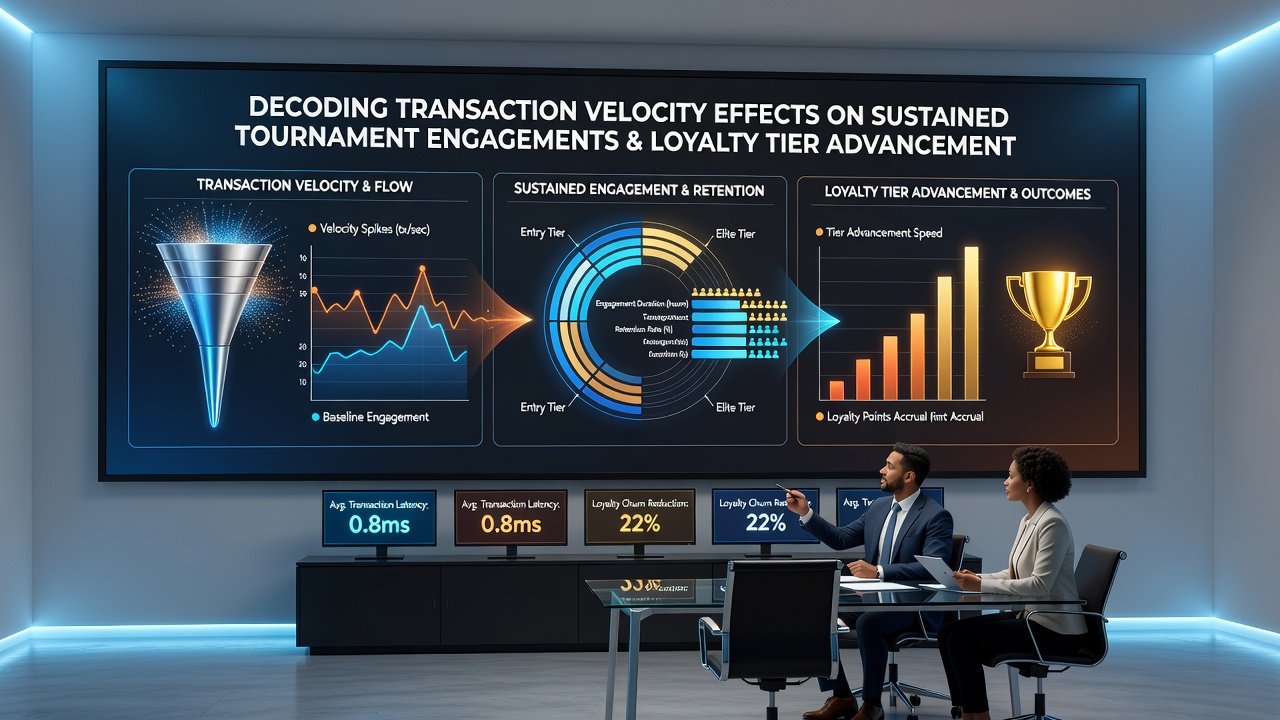
Additional evidence comes from European market reports compiled by the Malta Gaming Authority, where cross-border operators demonstrated that platforms with sub-minute withdrawal capabilities retained tournament entrants through qualification, semi-final, and championship phases more consistently. The data further connects these velocity improvements to higher frequencies of tier elevation events, as accumulated playtime metrics feed directly into automated advancement algorithms without lag-induced interruptions.
Regional Variations and Measurement Approaches
North American operators have begun publishing velocity benchmarks alongside engagement statistics, allowing direct comparison between processing speeds and tournament completion percentages. Canadian provincial data released in mid-2026 highlights similar trends, with faster transaction rails correlating to extended loyalty program tenures among recurring participants. Observers note that these patterns appear independent of game type, emerging equally in slots-focused events and mixed table tournaments.
Platform architects continue refining integration points between banking partners and gaming servers to minimize latency, because even brief delays during critical tournament windows can interrupt point accrual that drives tier movement. Reports indicate that operators achieving consistent velocity below two minutes across peak hours record steadier advancement curves through loyalty structures, particularly when events span multiple days or feature rolling qualification periods.
Conclusion
Current measurements establish clear connections between transaction processing speed and both the length of tournament involvement and the rate of loyalty tier movement across digital platforms. Regulatory datasets from varied jurisdictions continue to document these relationships through 2026, providing operators with quantifiable benchmarks for system optimization. As payment technologies evolve, the resulting velocity improvements appear to support more continuous player pathways from entry-level competitions through sustained high-tier participation.